Loading content...
Adil Mukhi
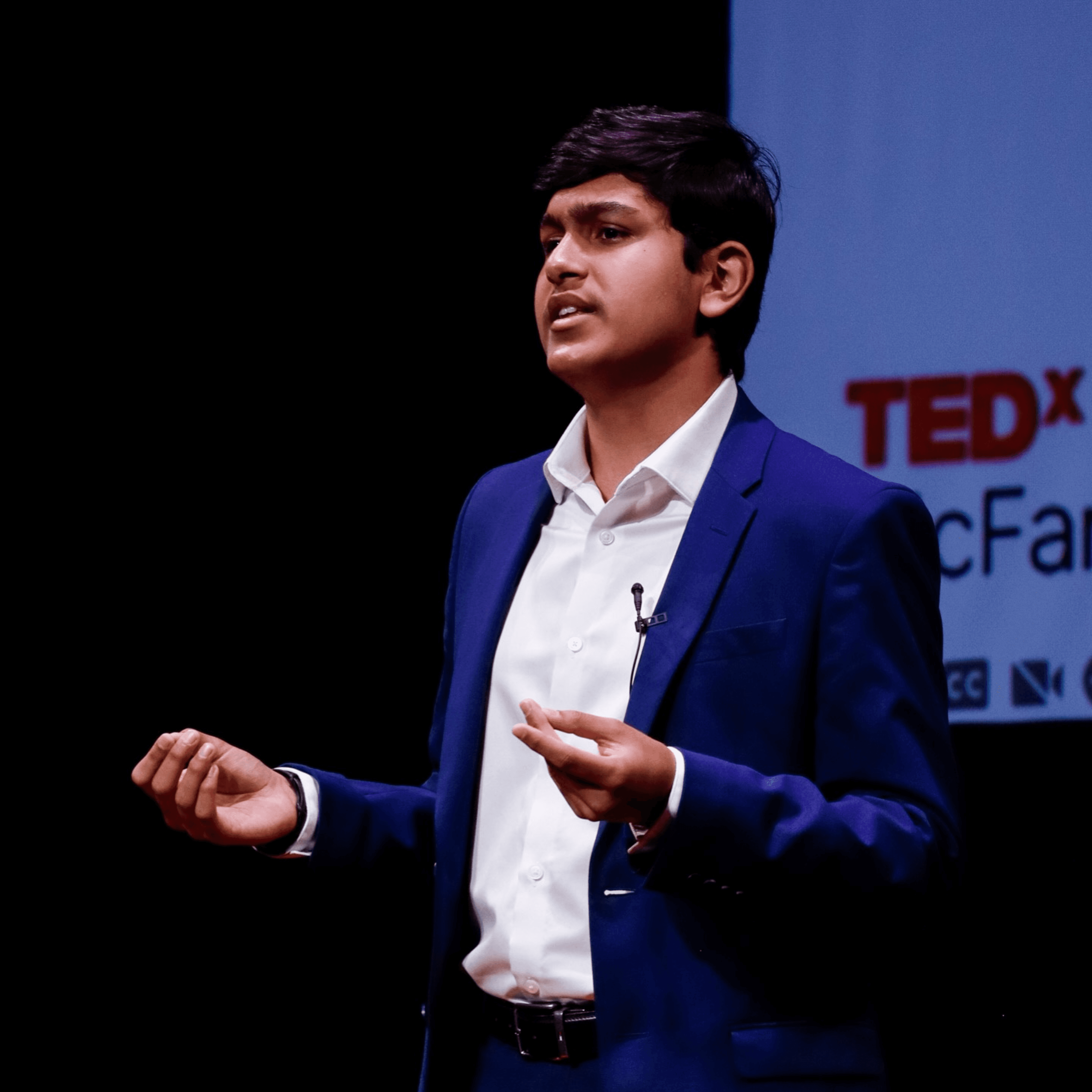
I started Dr. Interested after seeing too many youth struggle to navigate med school paths or build core skills like research and public speaking. This platform exists to change that--by giving students the tools and guidance they need to thrive. Beyond this, I'm a public speaker, youth advocate & changemaker! I lead initiatives that empower tens of thousands of young people, including founding Dr. Interested and contributing to the Play-to-Heal movement. I've supported youth-focused research and policy, including a CIHR grant with SickKids for the OPTIMAL Project and recommendations presented to the Future of Sport in Canada Commission. Passionate about mentorship, research, and leadership, I aim to create opportunities for youth to innovate and lead. If you want to learn more about me, feel free to check out my website, which I am sure is linked somewhere
If you're a high schooler who thinks you might want to go into medicine, the hardest part is usually just knowing where to start. Here's a practical list, roughly ordered from easiest to access to most involved.
Youth healthcare organizations (like Dr. Interested) exist specifically to give high schoolers structured access to mentorship, events, and verified volunteer opportunities that would otherwise require connections most students don't have.
Most hospitals have junior volunteer programs for students 14+. It's often administrative work (wayfinding, restocking, running materials between departments), but it puts you inside a clinical environment and gives you verified hours.
Ask family friends, your family doctor, or program coordinators for shadowing opportunities. Come prepared with questions and take notes afterward — what you learned matters more than how many hours you logged.
You don't need a university lab. Independent research projects, even ones based on public datasets, teach you the scientific process and give you something concrete to discuss in interviews and essays.
Practical, cheap, and directly relevant. It's also a prerequisite for a lot of other volunteer and camp counselor opportunities.
Running a workshop for younger students on mental health, nutrition, or first aid builds public speaking skills and shows initiative.
Writing to local representatives, contributing to a health-policy blog, or joining a youth advisory council shows you understand medicine as more than just clinical work.
The common thread: pick activities where you can build something over time and speak to it specifically, not just activities that sound impressive on a list.
Dr. Interested is a youth-led healthcare education nonprofit, and everything above is easier with the right team behind you. As a member, you get real, verified extracurricular credit for the work you're already trying to do:
Adil Mukhi
I started Dr. Interested after seeing too many youth struggle to navigate med school paths or build core skills like research and public speaking. This platform exists to change that--by giving students the tools and guidance they need to thrive. Beyond this, I'm a public speaker, youth advocate & changemaker! I lead initiatives that empower tens of thousands of young people, including founding Dr. Interested and contributing to the Play-to-Heal movement. I've supported youth-focused research and policy, including a CIHR grant with SickKids for the OPTIMAL Project and recommendations presented to the Future of Sport in Canada Commission. Passionate about mentorship, research, and leadership, I aim to create opportunities for youth to innovate and lead. If you want to learn more about me, feel free to check out my website, which I am sure is linked somewhere
Get the latest publications and insights delivered to your inbox.
If any of this sounds like what you've been looking for, apply to join Dr. Interested or subscribe to our newsletter so you don't miss upcoming programs, grant cycles, and events.