
Loading content...
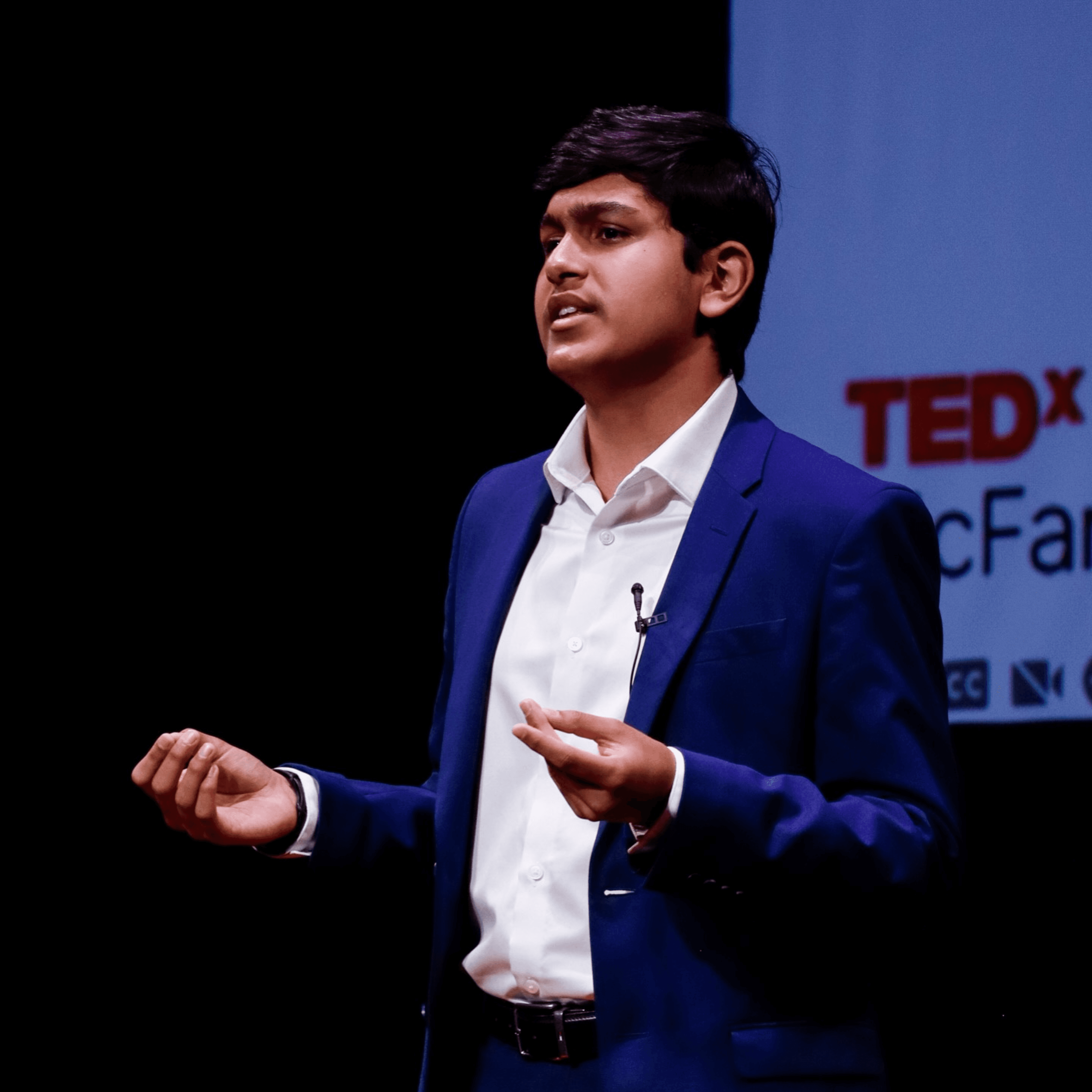
Adil Mukhi
I started Dr. Interested after seeing too many youth struggle to navigate med school paths or build core skills like research and public speaking. This platform exists to change that--by giving students the tools and guidance they need to thrive. Beyond this, I'm a public speaker, youth advocate & changemaker! I lead initiatives that empower tens of thousands of young people, including founding Dr. Interested and contributing to the Play-to-Heal movement. I've supported youth-focused research and policy, including a CIHR grant with SickKids for the OPTIMAL Project and recommendations presented to the Future of Sport in Canada Commission. Passionate about mentorship, research, and leadership, I aim to create opportunities for youth to innovate and lead. If you want to learn more about me, feel free to check out my website, which I am sure is linked somewhere
Summer programs for aspiring doctors range from free to tens of thousands of dollars, and the expensive ones aren't automatically the most valuable. Here's how to actually evaluate your options.
University-run summer science/medicine programs — often free or low-cost for local students, sometimes need-based financial aid available.
Hospital-affiliated youth volunteer or shadow programs — usually free, and give you the clinical exposure that's hardest to get elsewhere.
Youth healthcare conferences and webinar series — lower time commitment than a residential summer program, often free, and give you direct access to speakers (physicians, researchers, policy experts) you can follow up with afterward. Dr. Interested runs an annual healthcare career conference plus an ongoing webinar series covering everything from research methods to specialty deep-dives, specifically so students can get this kind of exposure without a plane ticket or a tuition fee.
Research competitions and science fairs — free to enter, and the deadline structure forces you to actually finish a project.
Be cautious of programs that are essentially "pay us and get a certificate" with minimal actual content, guarantee college admission, or cost more than a few hundred dollars for what amounts to a week of lectures. A strong recommendation letter or a real project outcome from a free program will always outweigh a fancy certificate from an expensive one.
If cost is a barrier, prioritize: free youth organization memberships with mentorship access, local hospital volunteer programs, free webinar series and conferences, and grant-funded travel for the one or two in-person events that matter most to you.
Dr. Interested is a youth-led healthcare education nonprofit, and everything above is easier with the right team behind you. As a member, you get real, verified extracurricular credit for the work you're already trying to do:
Adil Mukhi
I started Dr. Interested after seeing too many youth struggle to navigate med school paths or build core skills like research and public speaking. This platform exists to change that--by giving students the tools and guidance they need to thrive. Beyond this, I'm a public speaker, youth advocate & changemaker! I lead initiatives that empower tens of thousands of young people, including founding Dr. Interested and contributing to the Play-to-Heal movement. I've supported youth-focused research and policy, including a CIHR grant with SickKids for the OPTIMAL Project and recommendations presented to the Future of Sport in Canada Commission. Passionate about mentorship, research, and leadership, I aim to create opportunities for youth to innovate and lead. If you want to learn more about me, feel free to check out my website, which I am sure is linked somewhere
Get the latest publications and insights delivered to your inbox.
If any of this sounds like what you've been looking for, apply to join Dr. Interested or subscribe to our newsletter so you don't miss upcoming programs, grant cycles, and events.