
Loading content...

Shaza Ali
Shaza is a 9th grade student with a deep interest in STEM, particularly neurology and cardiology. She has won several STEM competitions and is part of her school's green initiative club. She also hosts a true crime podcast called 'The Killer Instinct'.
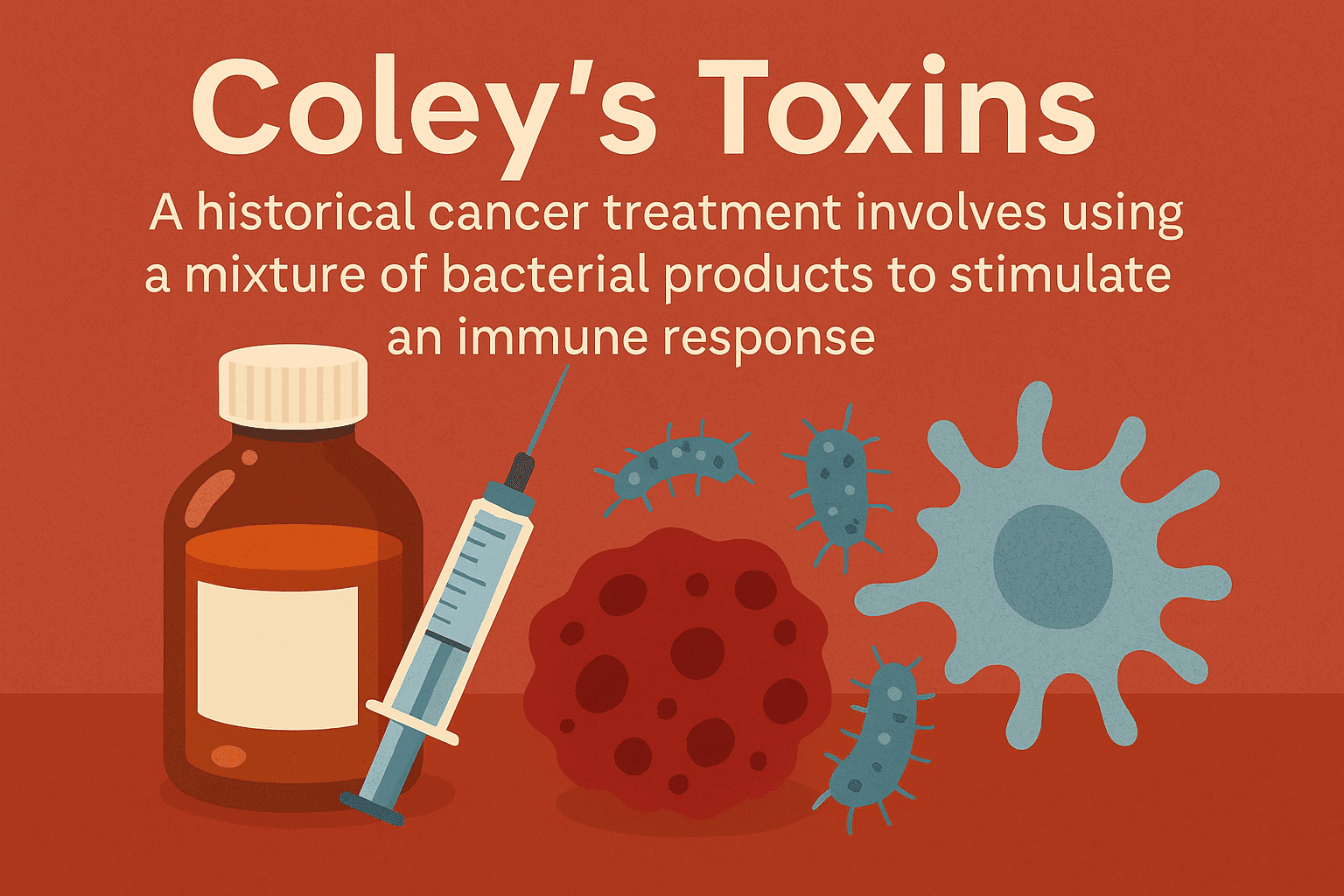
In the early 19th century, Dr. William Coley pioneered a novel approach to cancer treatment with what became known as Coley's toxins. He believed that injecting killed bacteria into cancer patients could stimulate the immune system and cause tumors to shrink. Although his method faced skepticism and eventually fell out of favor, Coley's groundbreaking work laid the foundation for the development of modern cancer immunotherapy.
Coley's interest in bacterial immunotherapy was sparked by historical reports of cancer regression following severe infections. In the 18th and 19th centuries, physicians observed that some patients experienced tumor shrinkage after contracting bacterial illnesses. Motivated by the tragic death of a young cancer patient, Elizabeth Dashiell, Coley began researching these phenomena. He discovered several cases where cancer patients who developed bacterial infections underwent spontaneous tumor regression. Building on these findings, Coley created a bacterial cocktail containing Streptococcus pyogenes and Serratia marcescens, which he used to treat cancer patients—achieving mixed but occasionally remarkable results.
Despite showing promise in some cases, Coley's toxins were met with skepticism due to the absence of standardized clinical trials and consistent outcomes. By the mid-20th century, the rise of chemotherapy and radiation therapy overshadowed Coley's approach, leading to a decline in its use. Additionally, regulatory changes in the 1960s further restricted access to his bacterial treatments. Still, Coley's groundbreaking work laid the foundation for modern cancer immunotherapy. Today, targeted immunotherapies, such as checkpoint inhibitors and CAR-T cell therapy, reflect the same principle of harnessing the immune system to fight cancer. Ongoing research into bacterial-based treatments continues to validate Coley's early insights—revealing just how far ahead of his time he truly was.
Although Coley's toxins are no longer used, their impact on cancer treatment remains significant. His innovative approach demonstrated the potential of the immune system in fighting cancer, paving the way for today's immunotherapies. While his treatment was not widely accepted in his time, it helped inspire modern breakthroughs that continue to improve cancer care.
Shaza Ali
Shaza is a 9th grade student with a deep interest in STEM, particularly neurology and cardiology. She has won several STEM competitions and is part of her school's green initiative club. She also hosts a true crime podcast called 'The Killer Instinct'.
Get the latest publications and insights delivered to your inbox.