
Loading content...
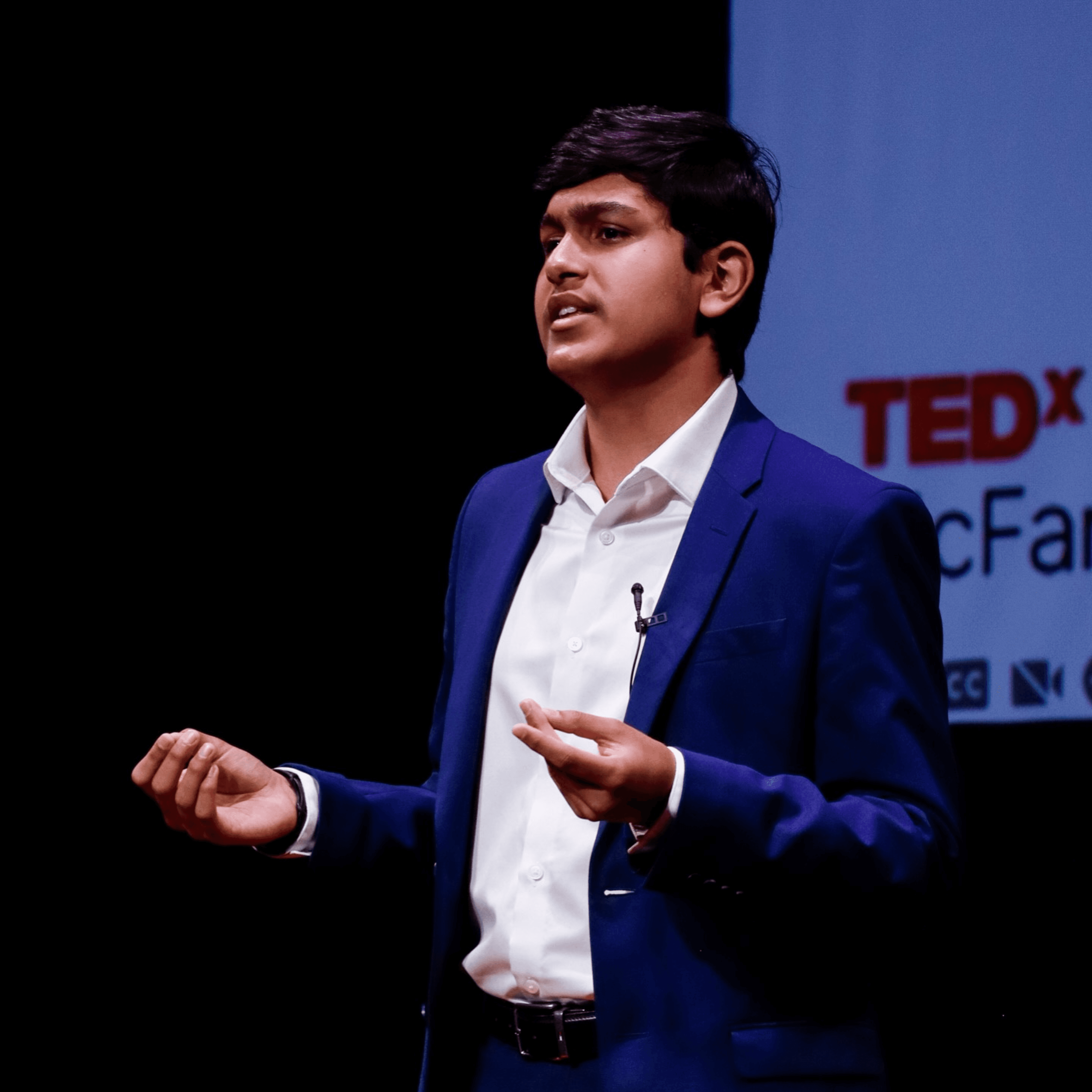
Adil Mukhi
I started Dr. Interested after seeing too many youth struggle to navigate med school paths or build core skills like research and public speaking. This platform exists to change that--by giving students the tools and guidance they need to thrive. Beyond this, I'm a public speaker, youth advocate & changemaker! I lead initiatives that empower tens of thousands of young people, including founding Dr. Interested and contributing to the Play-to-Heal movement. I've supported youth-focused research and policy, including a CIHR grant with SickKids for the OPTIMAL Project and recommendations presented to the Future of Sport in Canada Commission. Passionate about mentorship, research, and leadership, I aim to create opportunities for youth to innovate and lead. If you want to learn more about me, feel free to check out my website, which I am sure is linked somewhere
Getting into a premed program (or a med-school-track undergraduate program) is less about a single perfect activity and more about a coherent story built over years. Here's how to build that story deliberately instead of scrambling for it senior year.
In grades 9 and 10, cast a wide net. Try a science fair, a hospital volunteer program, a health-focused club, or a youth healthcare organization. You're not committing to anything yet — you're figuring out what parts of medicine actually interest you (research? patient care? public health? policy?).
By grade 11, narrow down to two or three activities you actually care about and go deeper. This is when you should be pursuing real responsibility: a leadership role in a club, a sustained volunteer commitment, an independent research project, or a structured mentorship program.
Admissions readers respond to specifics. Instead of listing "Volunteer, 50 hours," aim to be able to describe a project you led, a problem you solved, or a skill you built. Verified hours and documented outcomes (a published article, a completed project, a certificate) carry more weight than an unverifiable line item.
One of the biggest gaps for premed students, especially those without a doctor in the family, is access to people who've actually been through the process. Structured mentorship — from medical students, researchers, or healthcare professionals — accelerates everything: you make fewer wasted moves and get letters of recommendation that actually say something specific about you.
Keep a running log of hours, projects, and reflections starting now. When application season arrives, you'll be organizing existing material instead of trying to reconstruct three years of activity from memory.
Dr. Interested is a youth-led healthcare education nonprofit, and everything above is easier with the right team behind you. As a member, you get real, verified extracurricular credit for the work you're already trying to do:
If any of this sounds like what you've been looking for, apply to join Dr. Interested or so you don't miss upcoming programs, grant cycles, and events.
Adil Mukhi
I started Dr. Interested after seeing too many youth struggle to navigate med school paths or build core skills like research and public speaking. This platform exists to change that--by giving students the tools and guidance they need to thrive. Beyond this, I'm a public speaker, youth advocate & changemaker! I lead initiatives that empower tens of thousands of young people, including founding Dr. Interested and contributing to the Play-to-Heal movement. I've supported youth-focused research and policy, including a CIHR grant with SickKids for the OPTIMAL Project and recommendations presented to the Future of Sport in Canada Commission. Passionate about mentorship, research, and leadership, I aim to create opportunities for youth to innovate and lead. If you want to learn more about me, feel free to check out my website, which I am sure is linked somewhere
Get the latest publications and insights delivered to your inbox.