
Loading content...
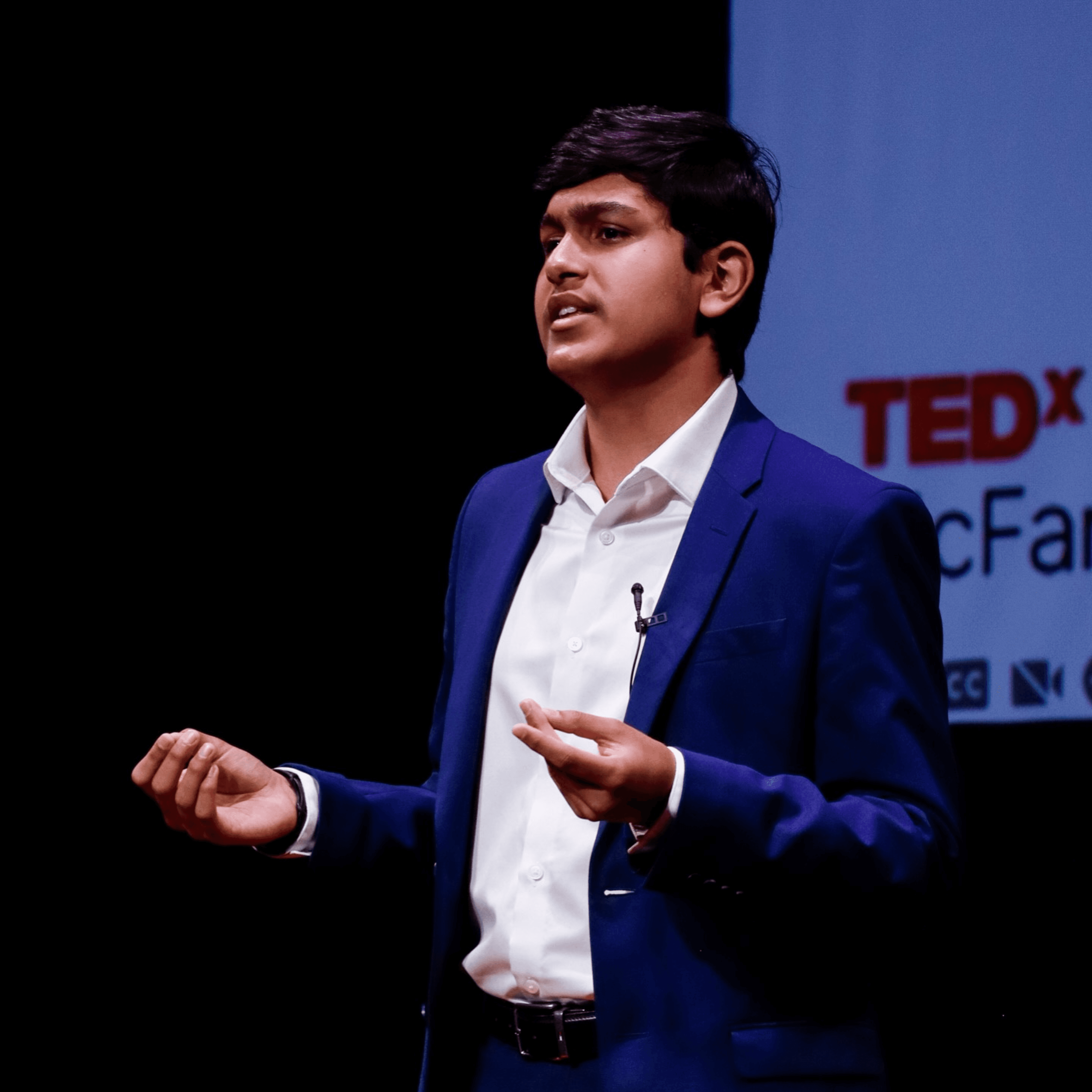
Adil Mukhi
I started Dr. Interested after seeing too many youth struggle to navigate med school paths or build core skills like research and public speaking. This platform exists to change that--by giving students the tools and guidance they need to thrive. Beyond this, I'm a public speaker, youth advocate & changemaker! I lead initiatives that empower tens of thousands of young people, including founding Dr. Interested and contributing to the Play-to-Heal movement. I've supported youth-focused research and policy, including a CIHR grant with SickKids for the OPTIMAL Project and recommendations presented to the Future of Sport in Canada Commission. Passionate about mentorship, research, and leadership, I aim to create opportunities for youth to innovate and lead. If you want to learn more about me, feel free to check out my website, which I am sure is linked somewhere
The biggest myth about high school research is that you need a personal connection to a professor or a lab position to do anything meaningful. Most competitive research experiences students have are actually self-initiated or accessed through structured programs, not connections.
You don't need lab access to do research. A literature review on a health topic you're curious about, an analysis of public datasets (Statistics Canada, the CDC, and the WHO all publish free datasets), or a survey-based project you design yourself are all legitimate research experiences.
Organizations built specifically for youth research access — including structured mentorship from current medical students and researchers — remove the "who do I even ask" problem entirely. This is exactly the gap programs like Dr. Interested's webinar series and mentorship network are built to close: you get guidance from people who've actually done research, without needing a pre-existing connection.
If you do want lab experience, a short, specific cold email to a professor whose work genuinely interests you — referencing a particular paper of theirs — has a real success rate. Generic "can I volunteer in your lab" emails almost never get a response; specific ones sometimes do.
Science fairs, research symposiums, and youth research journals give you both a deadline (which forces you to finish) and a credential (a publication, an award, a presentation) you can cite later.
Keep a research log from day one: what question you're asking, what you tried, what didn't work. This becomes both your methodology section and your interview material later.
The bar for "counts as research experience" on an application is lower than most students assume — what matters is that you can clearly explain your question, your process, and what you found.
Dr. Interested is a youth-led healthcare education nonprofit, and everything above is easier with the right team behind you. As a member, you get real, verified extracurricular credit for the work you're already trying to do:
Adil Mukhi
I started Dr. Interested after seeing too many youth struggle to navigate med school paths or build core skills like research and public speaking. This platform exists to change that--by giving students the tools and guidance they need to thrive. Beyond this, I'm a public speaker, youth advocate & changemaker! I lead initiatives that empower tens of thousands of young people, including founding Dr. Interested and contributing to the Play-to-Heal movement. I've supported youth-focused research and policy, including a CIHR grant with SickKids for the OPTIMAL Project and recommendations presented to the Future of Sport in Canada Commission. Passionate about mentorship, research, and leadership, I aim to create opportunities for youth to innovate and lead. If you want to learn more about me, feel free to check out my website, which I am sure is linked somewhere
Get the latest publications and insights delivered to your inbox.
If any of this sounds like what you've been looking for, apply to join Dr. Interested or subscribe to our newsletter so you don't miss upcoming programs, grant cycles, and events.