
Loading content...
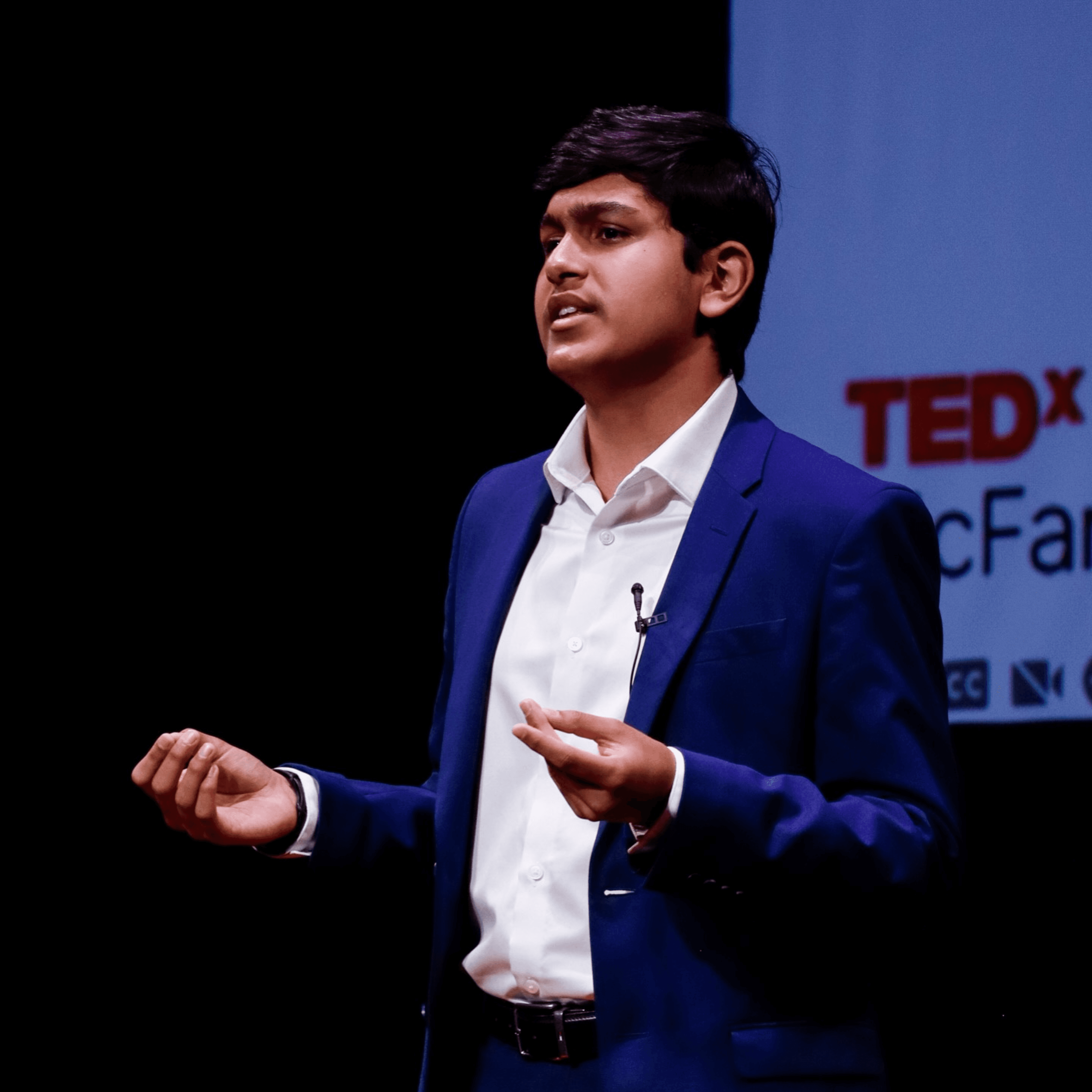
Adil Mukhi
I started Dr. Interested after seeing too many youth struggle to navigate med school paths or build core skills like research and public speaking. This platform exists to change that--by giving students the tools and guidance they need to thrive. Beyond this, I'm a public speaker, youth advocate & changemaker! I lead initiatives that empower tens of thousands of young people, including founding Dr. Interested and contributing to the Play-to-Heal movement. I've supported youth-focused research and policy, including a CIHR grant with SickKids for the OPTIMAL Project and recommendations presented to the Future of Sport in Canada Commission. Passionate about mentorship, research, and leadership, I aim to create opportunities for youth to innovate and lead. If you want to learn more about me, feel free to check out my website, which I am sure is linked somewhere
Premed students are told to "get involved," but not all involvement is worth the same on paper. Admissions committees see thousands of applications listing shadowing hours and club memberships — what actually stands out is depth, not a long list.
Clinical exposure. Shadowing a physician, volunteering in a hospital or clinic, or working as an EMT/CNA shows you understand what the job actually looks like day to day. Even a handful of well-reflected-on shadowing hours beats fifty hours you can't say much about.
Research, even small-scale. You don't need a lab position at a major university. A literature review, a data project with a professor, or a public-health survey you designed and ran all count, especially if you can talk about the process — what question you asked, what you found, what surprised you.
Sustained community service. Long-term commitment to one or two causes reads much better than a scattershot list of one-off volunteer days. Verified hours over multiple years show reliability, something every admissions committee is quietly screening for.
Leadership with real responsibility. Founding a club is common; running one that actually accomplishes something (an event series, a fundraiser, a partnership with a local organization) is what gets remembered.
A genuine extracurricular passion outside medicine. Committees want well-rounded humans, not just checklists. Music, athletics, art, or a completely unrelated hobby you've stuck with for years humanizes an application that otherwise reads like a resume.
Generic "shadow for a day" programs with no reflection component, extracurriculars you joined purely because they "look good," and anything you can't speak to in detail during an interview. Quality of reflection beats quantity of hours almost every time.
Dr. Interested is a youth-led healthcare education nonprofit, and everything above is easier with the right team behind you. As a member, you get real, verified extracurricular credit for the work you're already trying to do:
If any of this sounds like what you've been looking for, or so you don't miss upcoming programs, grant cycles, and events.
Adil Mukhi
I started Dr. Interested after seeing too many youth struggle to navigate med school paths or build core skills like research and public speaking. This platform exists to change that--by giving students the tools and guidance they need to thrive. Beyond this, I'm a public speaker, youth advocate & changemaker! I lead initiatives that empower tens of thousands of young people, including founding Dr. Interested and contributing to the Play-to-Heal movement. I've supported youth-focused research and policy, including a CIHR grant with SickKids for the OPTIMAL Project and recommendations presented to the Future of Sport in Canada Commission. Passionate about mentorship, research, and leadership, I aim to create opportunities for youth to innovate and lead. If you want to learn more about me, feel free to check out my website, which I am sure is linked somewhere
Get the latest publications and insights delivered to your inbox.