
Loading content...

Maliha Metla
Developing educational resources to help students understand medical concepts and career paths.
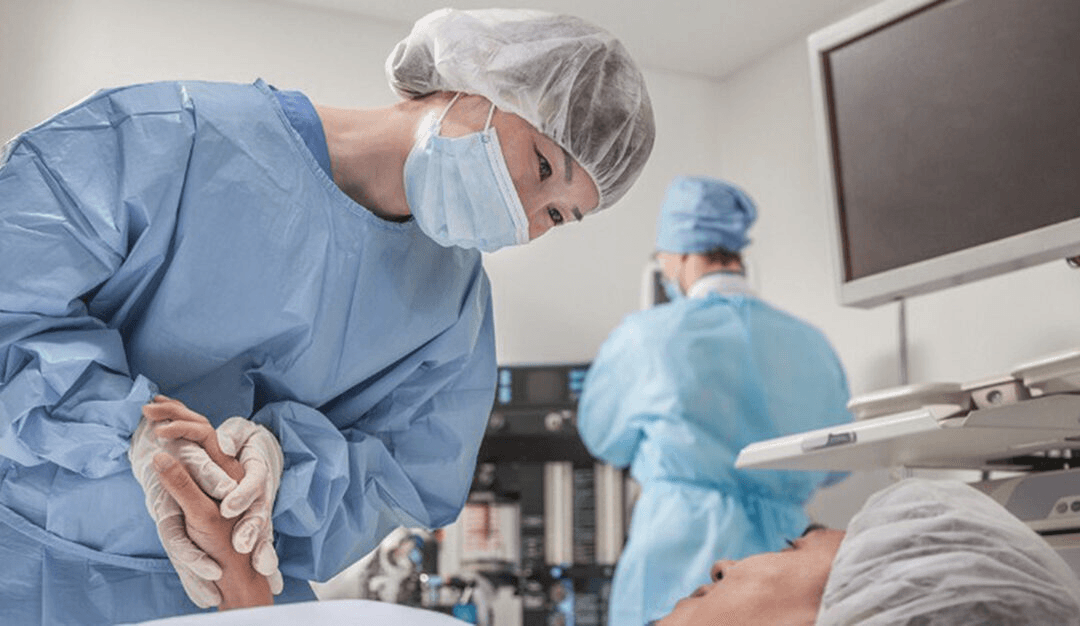
A vascular surgeon is a doctor who treats problems with blood vessels. Blood vessels include arteries and veins, which carry blood throughout the body. When someone has a disease that blocks or weakens these blood vessels, it can cause serious health problems. Vascular surgeons help fix these problems. They can use medicine, do surgeries, or use special tools to treat the disease without needing to open the body.
Some of the main problems they treat are aneurysms (which are bulges in blood vessels), peripheral artery disease (PAD), carotid artery disease (which can cause strokes), and deep vein thrombosis (DVT), which are blood clots. Vascular surgeons are trained to find these problems early, treat them the best way possible, and help patients recover safely. They are the only doctors who can give all types of treatment for blood vessel diseases from medicine to open surgery.
Becoming a vascular surgeon takes many years of school and training. First, a person has to finish college and usually take a test called the MCAT to get into medical school. Then they go to medical school for four years. After that, they do five more years of training in a hospital. Some choose to do even more training to become experts in vascular surgery. After all that, they still have to pass two hard tests, one written and one oral, to become certified. This means they are officially allowed to work as a vascular surgeon.
There was a case at Johns Hopkins Hospital where a vascular surgeon helped an 81-year-old woman who had a very dangerous aneurysm. She was a Jehovah's Witness, so she could not receive a blood transfusion, which made the surgery much harder. Dr. James Black used a special method called endovascular repair. It took seven hours, but he was able to fix the problem with very little blood loss. The blood she did lose was saved and put back in her body. She got better quickly and left the hospital after eight days without any problems.
In conclusion, vascular surgeons are very important doctors who help people with serious blood vessel problems. They have to go through a lot of training and learning to do their job. They save lives using both medicine and surgery. Thanks to them, many people with dangerous health issues can live longer and healthier lives.
Maliha Metla
Developing educational resources to help students understand medical concepts and career paths.
Get the latest publications and insights delivered to your inbox.